
What are the pressure testing methods for various industrial valves, including pneumatic valves?
In general, industrial valves do not undergo strength tests during use, but after repair, the valve body and valve cover, or those that have been corroded or damaged, should undergo strength tests. For safety valves, their constant pressure, reseating pressure, and other tests should comply with their instructions and relevant regulations. Before installing the valve, a valve strength test and a valve sealing test should be conducted on the valve hydraulic testing bench. 20% of low-pressure valves shall be randomly inspected, and if they are found to be unqualified, 100% inspection shall be conducted; Medium and high pressure valves should be inspected 100%. The commonly used media for valve pressure testing include water, oil, air, steam, nitrogen, etc. The pressure testing methods for various industrial valves, including pneumatic valves, are as follows:
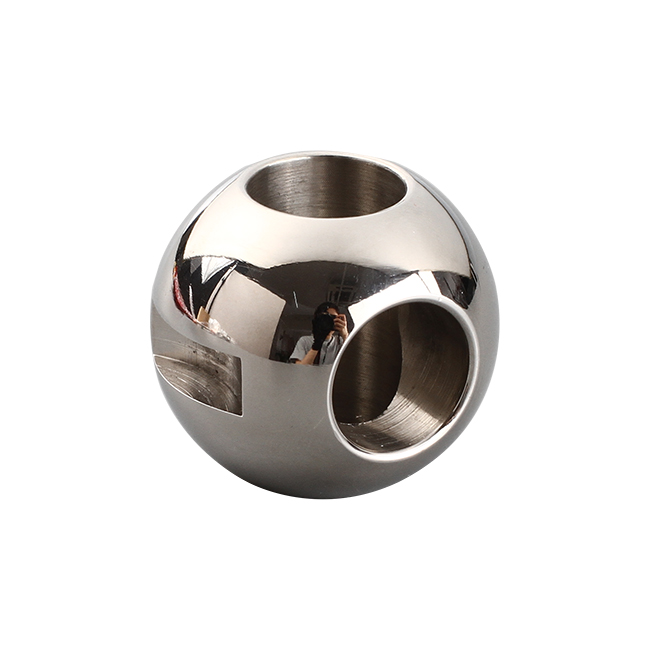
1. Pressure testing methods for globe valves and throttle valves
The strength test of globe valves and throttle valves usually involves placing the assembled valve in a pressure test stand, opening the valve disc, injecting the medium to the specified value, and checking whether the valve body and valve cover are sweating and leaking. Strength tests can also be conducted on individual pieces. The sealing test is only conducted on globe valves. During the experiment, the valve stem of the shut-off valve is in a vertical position, the valve disc is open, and the medium is introduced from the bottom end of the valve disc to the specified value. Check the packing and gasket; After passing the inspection, close the valve disc and open the other end to check for any leakage. If both the strength and sealing tests of the valve need to be conducted, the strength test can be conducted first, and then the pressure can be reduced to the specified value for the sealing test, and the packing and gasket can be checked; Close the valve disc again and open the outlet end to check if there is any leakage on the sealing surface.
2. Pressure testing method for gate valves
The strength test for gate valves is the same as that for globe valves. There are two methods for the sealing test of gate valves.
① Open the gate to increase the pressure inside the valve to the specified value; Then close the gate valve, immediately remove the gate valve, check whether there is any leakage at the sealing points on both sides of the gate valve, or directly inject the test medium into the plug on the valve cover to the specified value, and check the sealing points on both sides of the gate valve. The above method is called intermediate pressure testing. This method is not suitable for conducting sealing tests on gate valves with a nominal diameter of DN32mm or less.
② Another method is to open the gate and increase the test pressure of the valve to the specified value; Then close the gate, open one end blind plate, and check whether the sealing surface leaks. Invert the head again and repeat the above test until it is qualified.
The sealing test of the packing and gasket of the pneumatic gate valve should be conducted before the sealing test of the gate valve.
3. Pressure testing method for ball valves
The strength test of pneumatic ball valves should be conducted with the ball in a semi open state.
① Floating ball valve sealing test: Place the valve in a semi open state, with one end introducing the test medium and the other end closed; Rotate the sphere several times, and when the valve is in the closed state, open the closed end for inspection. At the same time, check the sealing performance of the packing and gasket, and there should be no leakage. Then introduce the test medium from the other end and repeat the above experiment.
② Fixed ball valve sealing test: Before the test, rotate the ball several times without load, keep the fixed ball valve in the closed state, and introduce the test medium from one end to the specified value; Check the sealing performance of the inlet end with a pressure gauge, with an accuracy of 0.5-1 level and a range of 1.6 times the test pressure. If there is no pressure drop phenomenon within the specified time, it is considered qualified; Introduce the test medium from the other end and repeat the above experiment. Then, place the valve in a semi open position, seal both ends, and fill the inner chamber with medium. Check the packing and gasket under test pressure for any leakage.
③ Three way ball valves should undergo sealing tests at various positions.
4. Pressure testing method for plug valves
① When conducting a strength test on a plug valve, the medium is introduced from one end, the remaining passages are closed, and the plug is rotated to each fully open working position for testing. If no leakage is found in the valve body, it is considered qualified.
② During the sealing test, the straight through plug should maintain equal pressure in the chamber and passage. Rotate the plug to the closed position, check from the other end, and then rotate the plug 180 ° to repeat the above test; A three-way or four-way plug valve should maintain equal pressure between the chamber and one end of the passage. The plug should be rotated to the closed position in sequence, and pressure should be introduced from the right angle end and checked simultaneously from the other ends.
Before the plug valve test bench, it is allowed to apply a layer of non acidic lubricating oil on the sealing surface. If no leakage or enlarged water droplets are found within the specified time, it is considered qualified. The test time for plug valves can be shorter, generally ranging from 1 to 3 minutes according to the nominal diameter regulations.
The gas plug valve should undergo an air tightness test at 1.25 times the working pressure.
5. Pressure testing method for butterfly valves
The strength test of pneumatic butterfly valves is the same as that of globe valves. The sealing performance test of butterfly valves should introduce the test medium from the end where the medium flows. The butterfly plate should be opened and the other end should be closed, and the pressure should be injected to the specified value; After checking that there is no leakage in the packing and other sealing areas, close the butterfly plate and open the other end. If there is no leakage in the sealing area of the butterfly plate, it is considered qualified. Butterfly valves used for regulating flow do not require sealing performance testing.
6. Pressure testing method for diaphragm valves
The strength test of the diaphragm valve introduces the medium from either end, opens the valve disc, and closes the other end. After the test pressure rises to the specified value, it is considered qualified if there is no leakage in the valve body and valve cover. Then reduce the pressure to the sealing test pressure, close the valve disc, and open the other end for inspection. If there is no leakage, it is considered qualified.
7. Pressure testing method for check valves
Check valve test status: The axis of the lift check valve disc is in a position perpendicular to the horizontal; The axis of the rotary check valve channel and the axis of the valve disc are located approximately parallel to the horizontal line.
During the strength test, the test medium is introduced from the inlet end to the specified value, and the other end is closed. It is considered qualified if there is no leakage in the valve body and valve cover.
The sealing test is conducted by introducing the test medium from the outlet end, and checking the sealing surface, packing, and gasket at the inlet end for no leakage, which is considered qualified.
8. Pressure testing method for safety valves
① The strength test of safety valves, like other valves, is conducted using water. When testing the lower part of the valve body, pressure is introduced from the inlet I=I end, and the sealing surface is closed; When testing the upper part of the valve body and valve cover, pressure is introduced from the outlet end El, and the other ends are closed. If there is no leakage in the valve body and valve cover within the specified time, it is considered qualified.
② The sealing test and constant pressure test generally use saturated steam as the test medium for steam safety valves; Valves for ammonia or other gases use air as the test medium; Valves for water and other non corrosive liquids use water as the test medium. Nitrogen is commonly used as the test medium for safety valves in important locations.
The sealing test shall be conducted at the nominal pressure value as the test pressure, and the number of times shall not be less than two. If there is no leakage within the specified time, it is considered qualified. There are two methods for leak detection: one is to seal the connections of the safety valve, and use butter to seal the thin paper on the outlet flange. If the thin paper bulges, it is considered a leak, and if it does not bulge, it is considered qualified; The second method is to seal a thin plastic or other board with butter under the outlet flange, fill it with water to seal the valve disc, and check that there is no bubbling in the water to be qualified. The safety valve shall undergo at least 3 pressure tests for constant pressure and reseating pressure, and shall be deemed qualified if it meets the requirements.
The performance tests of safety valves can be found in GB/T 12242-1989 Safety Valve Performance Test Methods.
9. Pressure testing method for pressure reducing valve
① The strength test of pressure reducing valves is generally conducted by assembling single pieces after testing, or by testing after assembly. Duration of strength test: 1 minute for DN<50mm; DN65-150mm for more than 2 minutes; DN>150mm for more than 3 minutes.
After welding the corrugated pipe and components, apply a pressure reducing valve at 1.5 times the maximum pressure and conduct a strength test with air.
② The sealing test shall be conducted according to the actual working medium. When testing with air or water, conduct the test at 1.1 times the nominal pressure; When conducting steam tests, use the maximum allowable working pressure at the operating temperature. The difference between the inlet pressure and the outlet pressure is required to be no less than 0.2 MPa. The experimental method is to gradually adjust the adjusting screw of the valve after setting the inlet pressure, so that the outlet pressure can change sensitively and continuously within the range of maximum and minimum values, without stagnation or blockage. For steam pressure reducing valves, when the inlet pressure is adjusted, the shut-off valve behind the valve is closed, and the outlet pressure is the highest and lowest values. Within 2 minutes, the increase in outlet pressure should comply with the provisions of Table 4.176-22. At the same time, the pipeline volume behind the valve should comply with the provisions of Table 4.18 to be qualified; For water and air pressure reducing valves, when the inlet pressure is set and the outlet pressure is zero, the pressure reducing valve should be closed for a sealing test. If there is no leakage within 2 minutes, it is considered qualified.